
A floor plate is a flat steel sheet used in construction, industrial flooring, and structural applications to create durable, load-bearing surfaces. It is commonly used for walkways, mezzanines, stair treads, and platforms because of its strength, slip resistance, and long lifespan. Whether smooth or textured, a floor plate plays a critical role in both safety and structural performance.
Understanding the Basics of Floor Plates
At its core, a floor plate is engineered to handle weight, movement, and wear. Unlike standard sheets, it is designed for direct foot traffic and heavy-duty use.
You will often find two main types:
Plain floor plates: smooth surface, used where slip resistance is not critical
Patterned floor plates: textured surface (like diamond or checker patterns) for better grip
These plates are typically made from steel, aluminum, or stainless steel, depending on the application.
What are the Types of Floor Plates?
Choosing the right floor plate is not just about material. It is about matching performance with purpose. Each type serves a different role depending on strength, environment, and usage.
1. Mild Steel Floor Plate
Mild steel is the workhorse of the industry. A mild steel floor plate is widely used because it offers a strong balance between durability and affordability. Best for general construction, warehouses, and platforms. It has a high load-bearing capacity and is budget-friendly compared to other metals. Its main limitation is that it needs a protective coating like galvanization to prevent rust. If your priority is strength without overspending, this is the go-to option.2. Stainless Steel Floor Plate
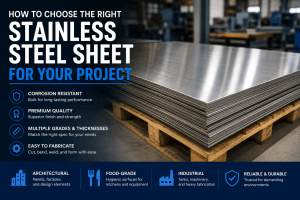
When corrosion is a serious concern, stainless steel steps in. A stainless steel floor plate is designed to resist rust, chemicals, and moisture. It is best suited for food processing units, chemical plants, and marine environments. It is strong with excellent corrosion resistance, easy to clean and maintain, but comes at a higher cost than mild steel. This is not about saving money. It is about avoiding failure in harsh environments.3. Aluminum Floor Plate
Aluminum changes the game when weight matters. An aluminum floor plate is much lighter than steel while still offering decent strength. It is best for vehicles, trailers, and portable structures. It is lightweight and easy to handle, naturally resistant to corrosion without coating, and while its strength is lower than steel, it is sufficient for many uses. If mobility and ease of installation are priorities, aluminum is a smart choice.4. Checkered (Diamond) Floor Plate
This is where safety takes center stage. A checkered floor plate, also called diamond plate, features raised patterns that improve grip. It is best for walkways, stair treads, ramps, and industrial floors. It offers excellent slip resistance and is available in steel, stainless steel, and aluminum. It is common in high-traffic or hazardous areas. If people are walking on it, this is often the right choice.
What are the Key Features That Make Floor Plates Essential?
The value of a floor plate lies in its ability to combine strength, safety, durability, and efficiency into one reliable solution. It is not just about flooring. It is about performance you can depend on every single day.
1. Strength and Load-Bearing Capacity
A floor plate is engineered to support significant weight without bending, warping, or cracking. This makes it ideal for environments where heavy machinery, equipment, and constant movement are part of daily operations.2. Slip Resistance
Safety is not optional, especially in high-risk environments. Patterned or checkered floor plates are designed with raised textures that improve grip, reducing the risk of accidents in wet or busy workspaces.3. Durability
A floor plate is built to endure harsh conditions without losing performance. It resists wear, impact, and environmental exposure far better than many traditional materials, making it a long-term investment rather than a short-term fix.4. Easy Maintenance
A floor plate does not demand constant attention. Its surface is easy to clean and maintain, making it practical for busy environments where downtime for upkeep is simply not an option.
What are the Common Applications of Floor Plates?
A floor plate is built for environments where strength and safety are critical. Here is a clear breakdown of where and why it is used.
| Application | Where It's Used | Why Floor Plates Are Ideal |
|---|---|---|
| Industrial Flooring | Factories, warehouses, production units | Handles heavy machinery, constant movement, and high loads without damage |
| Walkways and Platforms | Catwalks, mezzanines, elevated pathways | Provides stable, safe surfaces for movement at height |
| Stair Treads | Industrial and commercial staircases | Patterned surface improves grip and reduces slip risks |
| Vehicle & Transport Surfaces | Truck beds, trailers, and loading docks | Offers durability, impact resistance, and better traction for loading operations |
How to Choose the Right Floor Plate?
Choosing the right floor plate is not guesswork. It comes down to a few key factors.
1. Material Selection
Choose steel for strength, stainless steel for corrosion resistance, and aluminum for lightweight needs. Each material has a specific role, and picking the wrong one will cost you in performance and longevity.2. Thickness
Thicker plates handle heavier loads. Always match thickness with your application requirements to avoid structural failure or unnecessary overspending on material you do not need.3. Surface Pattern
If safety is a concern, go for checkered or diamond patterns for better grip. In areas with foot traffic, a smooth surface is simply not enough.4. Environmental Conditions
Consider exposure to moisture, chemicals, or extreme temperatures. Ignoring environmental factors when selecting a floor plate is one of the fastest ways to invite premature failure.5. Load Requirements
Understand the weight the plate needs to support before making any purchase. Underestimating load requirements leads to structural failure. Overestimating wastes budget. Know your numbers.
Floor Plate vs Other Flooring Materials
This comparison shows why floor plates consistently outperform traditional flooring materials across the metrics that matter most.
| Feature | Floor Plate | Concrete | Wood |
|---|---|---|---|
| Strength | High | High | Moderate |
| Slip Resistance | High (patterned) | Moderate | Low |
| Durability | Long-lasting | Long-lasting | Moderate |
| Maintenance | Low | Medium | High |
| Installation Flexibility | High | Low | Moderate |
What are the Advantages of Using Floor Plates?
A floor plate delivers a rare combination of strength, durability, and safety that few materials can match. It is built to handle heavy loads and constant wear while maintaining structural integrity over time. Patterned variants add another layer of protection by offering excellent slip resistance, making them ideal for high-traffic or hazardous environments.
Beyond performance, a floor plate stands out for its practicality. It requires minimal maintenance, adapts easily across different industries, and proves cost-effective over the long run. This balance of reliability and efficiency is exactly why floor plates continue to be a trusted choice in modern construction and industrial design.
Summing Up
A floor plate is not just a piece of metal. It is a foundation for safety, strength, and long-term performance.
In construction and industry, the basics still matter. Strong materials, proper selection, and practical application. That is how structures last.
Choose wisely, and your flooring will not just support weight. It will support your entire operation.
BobCo Metals supplies high-quality floor plates designed for durability, safety, and long-term performance. Choose materials that keep your operations solid and secure. Reach out to BobCo Metals today and get the right solution for your project.
Frequently Asked Questions (FAQs)
- 1. What is a floor plate used for?
A floor plate is used for industrial flooring, walkways, stair treads, and platforms where strength and durability are required. - 2. What is the difference between a floor plate and a checkered plate?
A checkered plate is a type of floor plate with a raised pattern for slip resistance, while a plain floor plate has a smooth surface. - 3. Which material is best for floor plates?
Steel is best for strength, stainless steel for corrosion resistance, and aluminum for lightweight applications. - 4. Are floor plates slip-resistant?
Patterned floor plates like diamond or checker plates offer excellent slip resistance. - 5. How thick should a floor plate be?
Thickness depends on load requirements, but heavier applications require thicker plates for safety. - 6. Can floor plates be used outdoors?
Yes, especially if they are galvanized or made from stainless steel to resist corrosion. - 7. Are floor plates expensive?
They may have a higher upfront cost, but their durability and low maintenance make them cost-effective over time.