In construction, there’s an old belief worth keeping alive: the right material can carry a project farther than the flashiest blueprint. Corrugated metal sheets have earned their place in that legacy.
They’re tough, time-tested, and endlessly adaptable, yet choosing the perfect one still feels like navigating a maze of gauges, finishes, patterns, and price points.
Let’s straighten the sheet, so to speak.
What Makes Corrugated Metal Sheets Such a Workhorse?
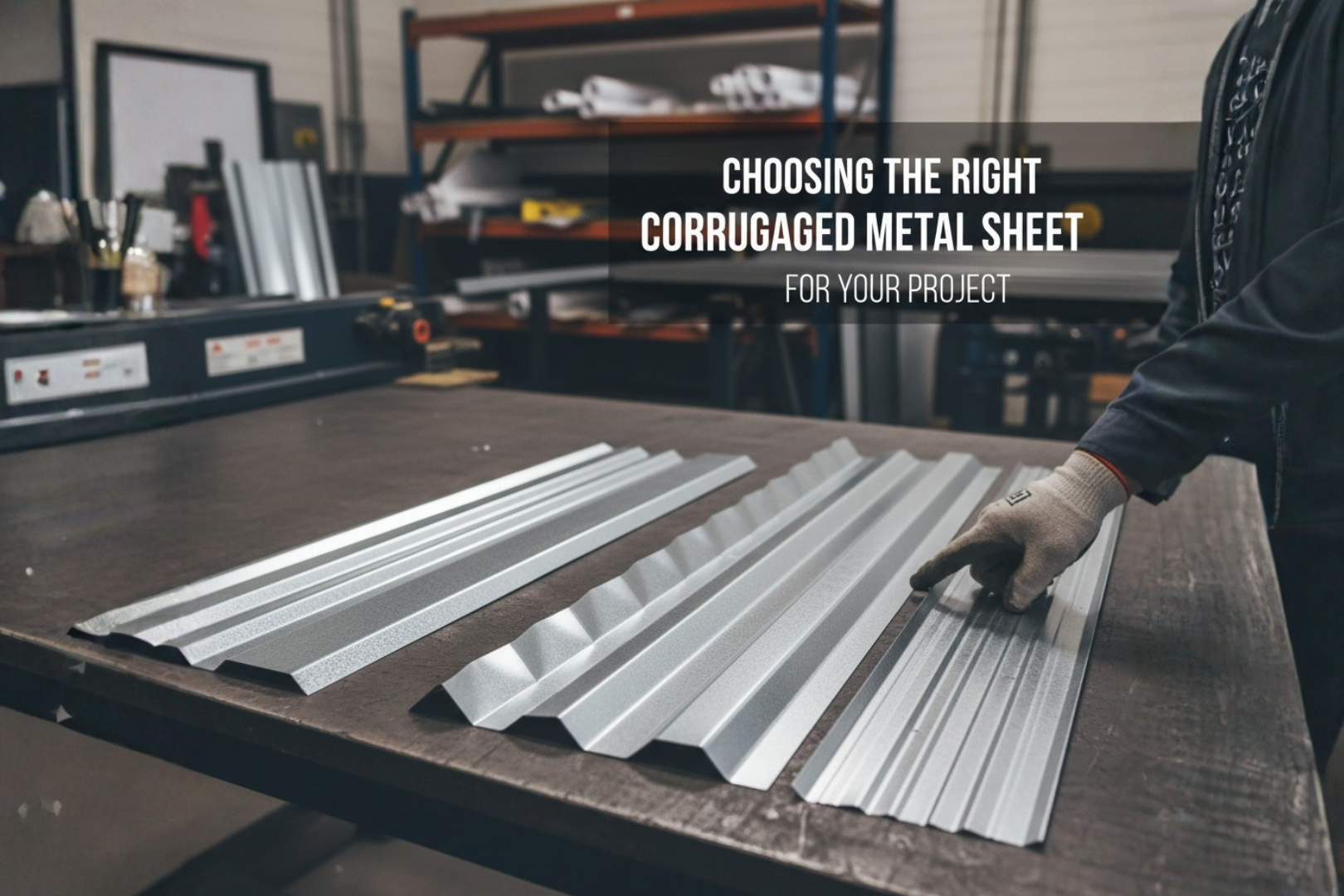
This humble-looking folded steel isn’t just about aesthetics. The ridges create strength in the way repetition builds muscle. By forcing the sheet into waves, the metal holds up against pressure, impact, and weather.
It’s efficient, reliable, and—if you ask any seasoned builder—one of the most ROI-friendly materials on the market.
Step One: Know the Purpose (Don’t Skip This)
Every great project starts with clarity. Applications like roofing, siding, fencing, interior accent walls, sheds, barns, and pergola roofs call for a slightly different corrugated profile. If you’re roofing, you need overlap-friendly patterns and weather-tight performance. If you’re creating a rustic interior wall, style and finish walk ahead of strength.
Be honest about what the sheet needs to withstand. Sun. Rain. Salty air. Snow loads. Kids throwing cricket balls. It all matters.
Gauge Matters More Than People Admit
Think of the gauge like the backbone. Lower gauge means thicker metal. Thicker metal means strength that won’t flinch.
A practical breakdown:
| Gauge | Approx. Thickness | Best Use Case |
|---|---|---|
| 22–24 | Heavier, stronger | Roofing in tough climates, industrial builds |
| 26–28 | Midweight | Home roofing, siding, barns, garages |
| 29+ | Lightweight | Decorative interiors, non-load applications |
Choose a gauge that respects your environment, not just your budget. Cheap sheets sag early, and regret ages faster than steel.
Coatings: The Silent Guardians
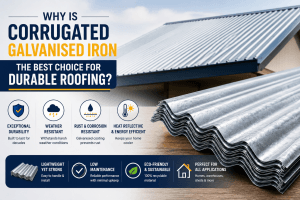
A corrugated metal sheet may be strong, but without protection, even steel bends to the elements over time. Here’s where coatings step in:
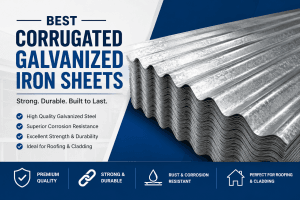
- Galvanized: Classic, reliable, zinc-coated steel that holds steady in most conditions.
- Galvalume: Zinc + aluminum blend for advanced corrosion resistance. Ideal for coastal regions.
- Painted finishes: Perfect when design matters as much as durability.
A high-quality finish reduces risk, so it's not a luxury.
The Performance Is Shaped by the Profile
From classic round waves to sharper angular patterns, profile choice affects rigidity, load capacity, and water flow. A deeper corrugation means better structural performance. A shallower one works well for walls and interiors. Don’t let aesthetics fool you; profile is engineering in disguise.
Easy Installation: The Frequently Overlooked Element
Time is money, and tricky installs burn both. Some corrugated sheets interlock smoothly; others require more finesse. If you're DIY-inclined, look for user-friendly profiles. If you're hiring a crew, match the sheet to their experience. Simplicity always reduces long-term cost.
Cost vs. Value: A Straight-Talk Moment
Let's break through the clutter. While cheap rarely lasts, expensive isn't always preferable. Select the sheet that corresponds with the project's anticipated lifespan. Experienced builders will tell you the same thing: investing a little more up front frequently protects the entire structure in the long run.
When In Doubt, Test on a Small Scale
A smart tactic from old-school fabricators: request a small sample panel. Check rigidity. Evaluate the finish under natural light. Test how the color aligns with your vision. Sometimes, the hand tells the truth the eye misses.
Final Thought
Selecting the appropriate corrugated metal sheet is about honoring the project with long-lasting materials, not about following trends. Always look past the price tag, respect the gauge, assess the coating, and choose a profile that works. When you approach a project as a legacy, you will be rewarded with unwavering durability.
Visit Bobco Metals for all your metal supply needs.
FAQs:
1. What factors should I consider when choosing corrugated metal sheets?
Look at thickness, material type, coating, weather resistance, and the overall design needs of your project.
2. Which type of corrugated metal sheet is best for roofing?
Galvanized or color-coated steel sheets are popular for roofing due to their durability, rust resistance, and long lifespan.
3. Are corrugated metal sheets suitable for both residential and commercial use?
Yes, they are commonly used in homes, warehouses, sheds, farms, and industrial buildings because they offer strength and cost efficiency.
4. How long do corrugated metal sheets typically last?
High-quality sheets can last 20–50 years depending on the material, coating, installation quality, and climate conditions.
5. What is the ideal thickness of corrugated metal sheets for construction?
For roofing and structural use, 0.40 mm to 0.60 mm thickness is generally recommended for strength and durability.